Circle Monogram: A Designer Review for Business Merch
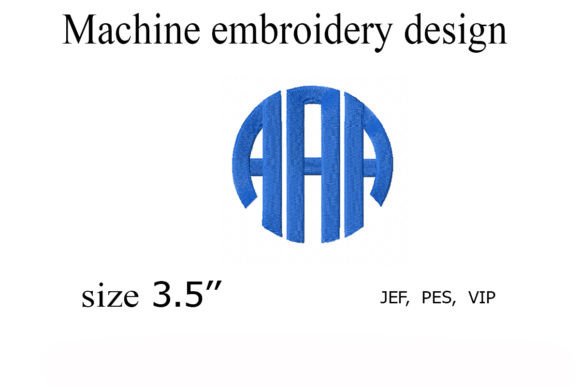
As a professional embroidery designer specializing in commercial branding and small business merchandise, I approach every new machine embroidery design with a critical eye. When evaluating the Circle Monogram set for potential use in branded apparel and patches, my primary focus is not just aesthetic appeal, but functional versatility and production reliability. This set, comprising 26 letters with dedicated left, central, and right positioning options, presents a unique opportunity for shops and creators to streamline their monogramming workflow. However, successful implementation requires understanding how these specific digitized assets perform across various substrates, from heavy canvas tote bags to structured caps and delicate uniform shirts.
Visual Personality and Brand Identity Alignment
The first impression of the Circle Monogram is one of classic containment and balanced proportion. Unlike sprawling script fonts that can be difficult to read at a distance or on curved surfaces, this circular framework offers immediate visual stability. For a local bakery, florist, or creative studio, this geometry communicates professionalism and established trust. The circular boundary acts as a natural frame, making it an ideal candidate for brand identity applications where recognition is key. It avoids the overly ornate complexity that often leads to production issues, striking a balance between handmade charm and commercial polish.
For businesses targeting a "Back To School" demographic or selling academic-themed merchandise, this design style resonates deeply. It evokes traditional varsity aesthetics without being dated. However, its utility extends far beyond seasonal trends. In my experience reviewing design assets for boutiques and Etsy sellers, the Circle Monogram serves as a foundational element. It transforms a simple initial into a logo-grade mark. Whether used for a pet brand’s collar tag or a café’s staff apron, the enclosed shape ensures the letter remains legible even when scaled down, which is crucial for maintaining visual consistency across different product lines.
Real-World Applications for Small Business Merch
When integrating this embroidery file into a commercial workflow, versatility is paramount. The three-part construction (left, center, right) allows for dynamic customization that single-file monograms cannot offer. Here is how I envision this design performing in real business scenarios:
- Embroidered Patches: The circular border provides a built-in merrowed edge guide. This makes the Circle Monogram exceptionally suitable for creating standalone patches for uniforms or retail sale. The contained shape minimizes fraying risks during the cutting process.
- Apron Embroidery: For hospitality businesses, chest placement is standard. This design sits flat against the bib of an apron without distorting, provided the correct stabilizer is used. It offers a premium alternative to screen printing for high-end cafes.
- Tote Bag Design: Canvas totes are a staple for handmade brands. The bold nature of the circle monogram holds up well against the coarse weave of canvas, ensuring the branding remains visible and crisp.
- Cap Embroidery: Curved surfaces are the enemy of poorly digitized circles. Because this set separates the letters, you can adjust spacing specifically for the curve of a cap front, preventing the "taco effect" where the design puckers.
- Custom Apparel Sleeves: The smaller scale options work beautifully as sleeve accents on sweatshirts or polos, adding value to small business merch without overwhelming the garment.
Production Considerations and Technical Limitations
While the Circle Monogram is versatile, it demands respect during the production phase. As with any digital embroidery file, you must verify technical specifications before running bulk orders. The description notes that software is required to transfer files from your computer; this implies you need the capability to resize, recolor, and potentially adjust density within your editing software. Do not assume the file is production-ready for every fabric type straight out of the download.
Stitch Density and Fabric Texture: Circular satin stitches can be dense. If applying this to a textured fabric like pique polo or terry cloth, you risk the design sinking into the weave. Always test on the actual fabric texture intended for the final product. You may need to add an underlay or increase column width slightly in your software to ensure coverage. Conversely, on lightweight performance wear, excessive density can cause tearing. Adjusting the pull compensation is often necessary to maintain the perfect roundness of the circle after hooping tension is released.
Sizing Constraints: While the set allows for variety, there is a floor to how small you can go. Intricate details in the letter serifs or the circle border may get lost below 2 inches. For tiny labels or cuff embroidery, verify legibility by stitching a sample first. High stitch density in small areas can also lead to thread breaks or needle deflection. Always confirm the minimum recommended size in the file metadata.
Strategic Notes for Commercial Embroidery Success
To maximize the ROI of this design asset, I recommend a systematic testing protocol. Never skip the sampling phase, especially when introducing a new machine embroidery design to your catalog. Start by stitching the design in black thread on white stabilizer. This high-contrast test reveals registration issues, gaps, or uneven density that colored threads might hide. Only after the structure is confirmed should you introduce thread colors matching the client's brand palette.
Furthermore, consider the hoop size implications. Since this is a multi-part set, ensure your machine can accommodate the combined dimensions if you plan to stitch a full three-letter monogram in a single run. If your hoop is limited, you may need to re-hoop or combine files in software, which introduces alignment risks. For commercial embroidery efficiency, creating a pre-aligned template file for common sizes can save hours of setup time per order.
Client approval is another critical step. Use a printable mockup or digital rendering to show customers exactly how the Circle Monogram will look on their chosen item. Because this set allows for left, center, and right variations, present options. A boutique owner might prefer a centered single initial for tags, while a sports team might want a three-letter combination for jacket backs. Visualizing these options helps secure sales and reduces revision requests.
Elevating Product Value Through Professional Execution
Ultimately, the Circle Monogram is more than just a font; it is a tool for enhancing perceived value. In the competitive landscape of Etsy sellers and local makers, the difference between a hobbyist product and a professional handmade product often lies in the quality of the branding. A clean, well-executed monogram signals attention to detail. It tells the customer that the business cares about presentation.
However, a vital reminder for all business owners: always verify licensing. Ensure you have the rights to use this design for finished product sales versus just personal use. Commercial licensing protects your business and respects the digitizer's work. Additionally, because the product description specifies the need for transfer software, ensure your tech stack is compatible before purchase. There is nothing worse than buying a design assets pack only to find you cannot open or edit the files for your specific machine format.
By treating the Circle Monogram as a professional asset rather than a decorative afterthought, small businesses can create cohesive, high-value merchandise that builds lasting customer loyalty. Whether for a back-to-school collection or year-round corporate wear, this design offers the structural integrity and aesthetic flexibility required for serious embroidery production. Test thoroughly, brand boldly, and let the quality of your stitching speak for your business.